
Is Rump Steak Tender?
Is Rump Steak Tender?
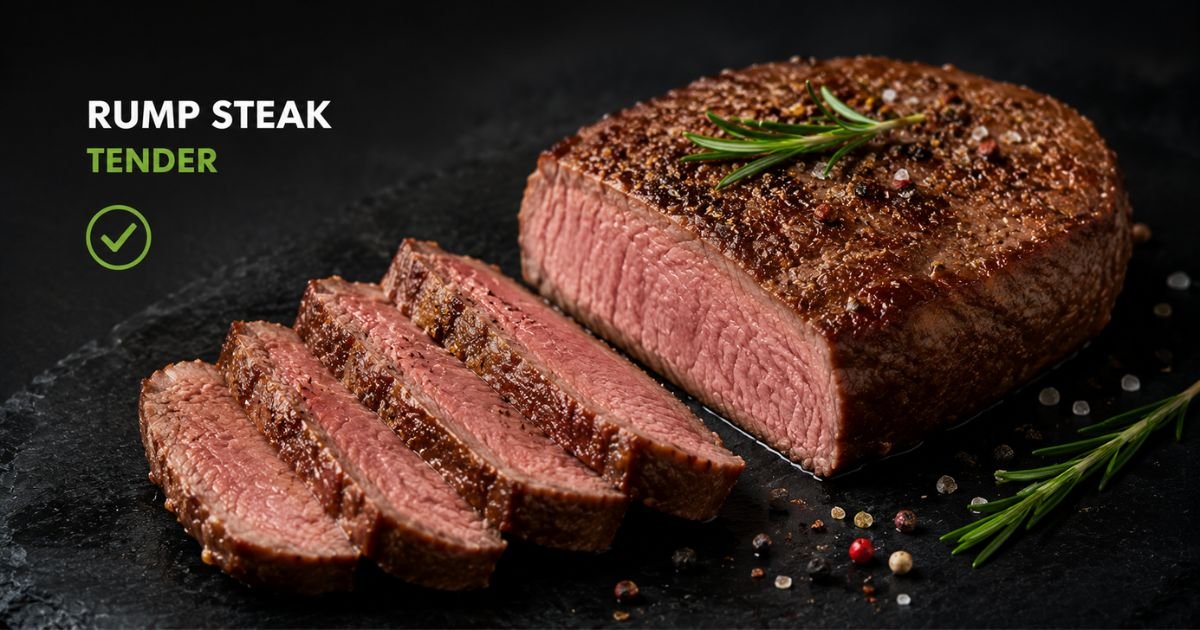
Is rump steak tender enough to trust for your next dinner, or is it the cut you regret buying once it hits the plate chewy? That worry is fair. Rump steak has a reputation for being a little firmer than the premium cuts, and plenty of people avoid it entirely because of one bad experience with an overcooked piece. The truth is more encouraging than the reputation suggests, and knowing how rump compares to sirloin makes the choice at the counter a lot easier.
The direct answer: yes, rump steak is tender, just not as tender as fillet or ribeye. It sits in a solid middle range, firmer than sirloin but far from tough, and it makes up for that with a stronger, more concentrated beefy flavour. Whether sirloin or rump is the better choice depends on what you value more: a slightly softer bite, or a bolder taste at a lower price. The rest of this guide breaks down exactly how the two compare, and how to get the most out of rump specifically.
Why Rump Chews the Way It Does
Rump comes from the top of the leg, a muscle that does more work than the loin muscles that produce sirloin and fillet. That extra work is exactly why rump has a firmer texture. It is not tough in the way stewing cuts are tough, but you will notice more chew than you get from a fillet.
Compared to fillet and ribeye, rump lands clearly behind on pure tenderness. Fillet barely works at all as a muscle, which is why it stays so soft. Ribeye gets its tenderness partly from heavy marbling. Rump has neither of those advantages, but it more than makes up for it with flavour. See how to cook steak for the searing technique that gets the most out of it.
Rump Against Sirloin, Head to Head
Neither cut is better across the board. Each wins on a different priority.
Tenderness
Sirloin edges out rump here, sitting closer to the middle of the tenderness scale while rump sits slightly firmer.
Flavour
Rump often wins this category. Less fat means a more concentrated, purely beefy taste that many people prefer once they try it properly cooked.
Fat Content
Rump is leaner than sirloin, which ties into both its flavour and why it needs a bit more care not to dry out. For more on lean cuts generally, see leanest steak cuts.
Price
Rump is almost always the cheaper option, making it a strong pick if you want real steak flavour without paying sirloin or ribeye prices.
| Factor | Sirloin | Rump |
|---|---|---|
| Tenderness | Slightly more tender | Slightly firmer |
| Flavour | Strong, balanced | Bolder, more concentrated |
| Fat content | Moderate | Leaner |
| Price | Higher | Lower |
For a broader look at how these two stack up against fillet and ribeye too, sirloin vs ribeye vs fillet covers the full picture.
How to Make Rump More Tender
- Marinate it: even 30 minutes with an acidic marinade softens the muscle fibres noticeably.
- Cook it hot and fast: rump does not benefit from long, slow cooking the way tougher cuts do.
- Slice against the grain: this single step makes more difference on rump than on almost any other steak cut.
- Rest it properly: give it at least 5 minutes off the heat before cutting in. More detail on timing is in how to cook a well done steak if you prefer it cooked further through.
Which Cut to Buy
Best for everyday cooking: sirloin. Its extra tenderness makes it more forgiving if your timing is slightly off.
Best for value: rump. It delivers real steak flavour for noticeably less money.
Best for bold flavour: rump again, especially if you already enjoy leaner cuts like flank or bavette.
If you are deciding across the wider lineup of cuts, best cuts of beef ranked and steak cuts explained are good next reads. For the best doneness to aim for, what to serve with steak covers pairing ideas too.
The Verdict on Rump
Rump steak is tender enough to hold its own. It just asks for a little more attention than sirloin: hot and fast cooking, a proper rest, and slicing against the grain. Do that and you get a cut that rivals sirloin on taste for a fraction of the price. If flavour matters more to you than a slightly softer bite, rump may end up your new go to.