
Best Oil for Cooking Steak
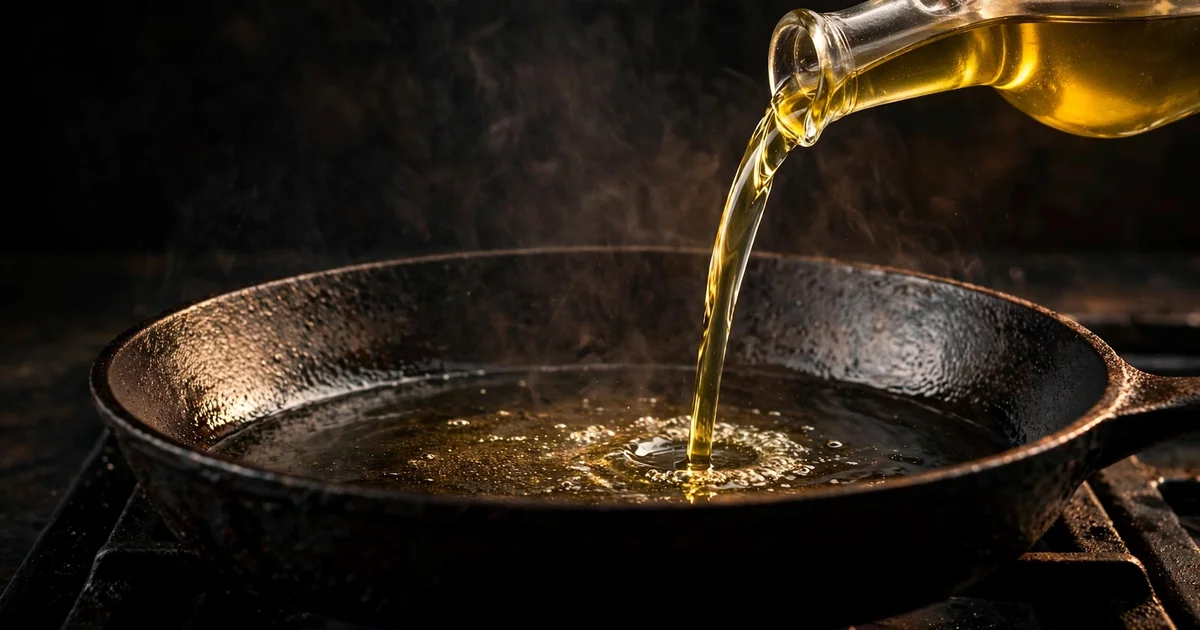
The best oil for cooking steak is a neutral oil with a high smoke point: refined avocado oil or groundnut oil. Use a thin film of it for the hard initial sear, then add a knob of butter and baste the steak for the last minute or two. This two stage approach gives you the fierce crust that only high heat can build, plus the rich flavour that only butter brings. If you are starting from scratch, our guide to how to cook steak walks through the whole method, oil included.
Last checked: 2 November 2026.
Best Oil for Cooking Steak: The Short Answer
If you only want the headline: avocado oil or groundnut oil for the sear, butter for the finish. Refined rapeseed oil is the sensible everyday alternative in a UK kitchen. Do not sear with extra virgin olive oil or unrefined sesame oil, and do not start with plain butter. The table below explains why, with the smoke points that decide everything.
Why Smoke Point Matters for Steak
The smoke point is the temperature at which an oil starts to break down and smoke. A proper sear needs the pan at around 200 to 230°C, hot enough to drive the browning reaction that builds the crust and most of the flavour. Use an oil with a smoke point below the pan temperature and it burns before the steak browns: the kitchen fills with acrid smoke and the crust tastes bitter.
That is the whole test. Match the oil to the heat, and everything else is preference.
Cooking Oils Compared for Steak
Smoke points are approximate and vary by brand and refinement, so treat the figures below as a guide rather than a guarantee. The British Heart Foundation lists refined rapeseed, refined olive and refined peanut oil among the oils suitable for searing at 200 to 230°C, which lines up with the figures shown.
| Oil or fat | Approximate smoke point | Flavour | Best use for steak |
|---|---|---|---|
| Refined avocado oil | Around 270°C | Neutral | The fiercest sears on thick steaks |
| Safflower oil | Around 265°C | Neutral and light | Very high heat searing |
| Rice bran oil | Around 254°C | Neutral | Searing and pan frying |
| Light or refined olive oil | Around 240°C | Mild | Searing, refined oil only |
| Groundnut oil | Around 230°C | Neutral, slightly nutty | Searing and pan frying |
| Ghee (clarified butter) | Around 230°C | Rich and buttery | Searing with butter flavour |
| Refined rapeseed oil | Around 204 to 242°C | Neutral | Everyday UK searing |
| Sunflower oil | Around 227°C | Neutral | Searing |
| Beef tallow or dripping | Around 204°C | Beefy and savoury | Traditional steakhouse crust |
| Duck fat | Around 190°C | Rich | Moderate heat cooking |
| Extra virgin olive oil | Around 190 to 210°C | Fruity and peppery | Finishing, not searing |
| Unrefined sesame oil | Around 177°C | Strong and toasted | Finishing only |
| Whole butter | Around 150°C | Rich and sweet | Basting at the end only |
The Two Best Choices for a Steak Sear
Avocado oil
Refined avocado oil has the highest smoke point of the common cooking oils, around 270°C, and a neutral flavour that stays out of the way of the beef. It is the safest choice for the fiercest sears, particularly on thick steaks finished with a short blazing sear, as in our guide to reverse searing. The honest drawback is the price: it costs several times more than the everyday alternatives. One professional chef interviewed on the subject said he reaches for cheap neutral oils like canola instead, finding avocado oil more expensive without giving the steak anything extra.
Groundnut oil
Groundnut oil, sold as peanut oil in some shops, has a smoke point around 230°C, a neutral flavour and a sensible price. It is a strong all rounder for pan searing, including for cooking ribeye in a pan, and it is widely available in UK supermarkets. One caution: it is still peanut oil, so it has no place in a kitchen cooking for someone with a peanut allergy.
Rapeseed Oil: The Everyday UK Choice
Refined rapeseed oil is the oil most UK kitchens already own, and it works well for steak. The British Heart Foundation lists refined rapeseed oil among the oils suitable for searing and very hot roasting at 200 to 230°C. It is neutral, cheap and easy to find, which makes it the pragmatic default for weeknight steaks such as a quick rump steak. Use the refined bottle for the pan and keep cold pressed rapeseed oil for dressings and finishing, where its flavour can shine.
Beef Tallow and Other Traditional Fats
Beef tallow, rendered beef fat, is the old school steakhouse choice, with a smoke point around 204°C and a flavour that doubles down on the beefiness of the steak. Ask a good butcher and they will often have dripping for sale; if you want to know where the fat comes from, our guide to where steak comes from follows the journey. Duck fat and lard sit at similar smoke points and work at moderate heat. Ghee is the most useful of the animal fats for home cooks: clarified butter with the milk solids removed, so it sears at around 230°C while keeping a buttery note. Our ranking of the best cuts of beef explains which cuts reward this extra richness.
How Much Oil to Use, and Where to Put It
Use less than you think. A thin film, about one to two teaspoons in the pan, is enough. More oil than that pools around the steak and fries it rather than searing it, and excess oil is the usual cause of a smoking kitchen.
There are two schools on application. Oiling the pan is the standard method: heat the pan first, add the oil when it is hot, and lay the steak in when the oil shimmers. Oiling the steak directly, a thin coat rubbed over the seasoned meat, uses even less oil and works well on very hot pans and grills. Both work. What does not work is adding oil to a cold pan, which lets the steak sit and steam before the crust can form.
Whatever you do, pat the steak dry with kitchen paper before the oil goes anywhere near it. Surface moisture is the enemy of the crust. See our guide to how to season steak before cooking for the full picture on salt timing and dry surfaces.
Butter Belongs at the End, Not the Start
Whole butter burns at around 150°C, far below searing temperature, which is why it should never be the searing fat. Add a knob of butter, with garlic and thyme if you like, for the last minute or two of cooking and tilt the pan so you can spoon the foaming butter over the steak. This is basting: it adds flavour and colour without ever letting the butter scorch. For exact timings by cut, see our sirloin steak cooking times and temperatures guide.
Oils to Avoid for Searing, and Why
Extra virgin olive oil is the main offender. Its smoke point sits around 190 to 210°C, below proper searing heat, and its fruity flavour turns bitter when it burns. Light or refined olive oil is a different product and is fine for searing. Unrefined sesame oil and unrefined coconut oil have the same problem: low smoke points and strong flavours that do not suit steak. Cold pressed and extra virgin oils of any kind are finishing oils. Use them on the salad you serve alongside the steak instead; our what to serve with steak guide has ideas.
Five Mistakes That Spoil the Sear
- Choosing an oil with a low smoke point. Extra virgin olive oil and whole butter burn before the pan is hot enough to brown the meat. Check the table above and stay at 204°C or higher for searing.
- Using too much oil. A thin film sears; a pool fries. One to two teaspoons is plenty, and a well marbled steak needs barely any at all.
- Oiling a cold pan. Heat the pan first, add the oil to the hot pan, and add the steak when the oil shimmers. Oil in a cold pan just sits and smokes.
- Skipping the dry steak. Pat the surface dry with kitchen paper before seasoning and oiling. Moisture steams, and steam never builds a crust.
- Reusing scorched oil. Once oil has smoked hard, its smoke point drops and it carries bitter flavours. Wipe the pan and start fresh if the oil has burnt.
Best Oil for Cooking Steak: FAQs
Can I cook steak in olive oil?
Yes, if it is light or refined olive oil, which sears at around 240°C. Extra virgin olive oil is not a searing oil; save it for finishing and dressings.
Is butter or oil better for steak?
Oil for the sear, butter for the finish. Use a high smoke point oil to build the crust, then baste with butter in the last minute or two. A lean fillet steak benefits from the full thin film of oil, while a well marbled ribeye renders plenty of its own fat.
Can I reuse the oil after cooking steak?
The small amount used for a sear is best discarded once cool. Reheated oil smokes at lower temperatures and carries burnt flavours into the next cook.
What about groundnut oil and nut allergies?
Groundnut oil is peanut oil. To be safe, never cook with it for someone with a peanut allergy without checking with them first, and keep it out of the kitchen entirely for severe allergies.
Does the cut change which oil I should use?
Not really. The searing temperature is the same whatever the cut. What changes is how much oil you need: a fatty ribeye needs barely any, a lean fillet needs the full film. Our comparison of sirloin, ribeye and fillet explains how the classic cuts behave, and the leanest steak cuts guide shows which ones need more help in the pan. Thinner cuts such as frying steaks and a steak cooked to well done follow the same oil rules.
Browse more practical cooking advice in our Guides section.